
Digital Hollywood: The AI & Entertainment Summit
Tuesday, July 21st, 2026
5– 5:50 PM Eastern Time Zone
Session I: A Virtual Event
State by State: The Legislators May Decide AI’s Future: California, Colorado, New York, Illinois, Tennessee etc.
Federal AI legislation remains gridlocked — so the states are moving on their own, and the landscape is becoming impossible to ignore. California, Colorado, New York, Illinois and Tennessee have each taken a different approach to regulating artificial intelligence, and the differences are as revealing as the regulations themselves. Tennessee's Elvis Act targets deepfakes and voice cloning directly, protecting recording artists and performers from synthetic identity theft. California's expansive legislation reaches from deepfake technology and data privacy all the way to the regulation of frontier AI model training. Illinois extends the conversation into employee discrimination, voice recordings and robocalls. Colorado and New York are staking out their own ground on algorithmic accountability and consumer protection. Five states, five philosophies, five very different visions of where AI regulation is heading — and forty-five more waiting in the wings. With fifty states potentially moving in fifty different directions, this session may be the most important canary in the coal mine the industry has right now.
Speakers:
Christopher Kenneally, Award-Winning Podcast Host/Producer, Moderator
Paul Sweeting, founder and principal, Concurrent Media Strategies, LLC
Lauren Fried, Partner, Loeb & Loeb, LLP
Andrew Gilden, Professor of Law, Southwestern Law School
Erik Passoja, Professional Actor & Digital Identity Expert
Matthew Asbell,
Partner, Lippes Mathias LLP


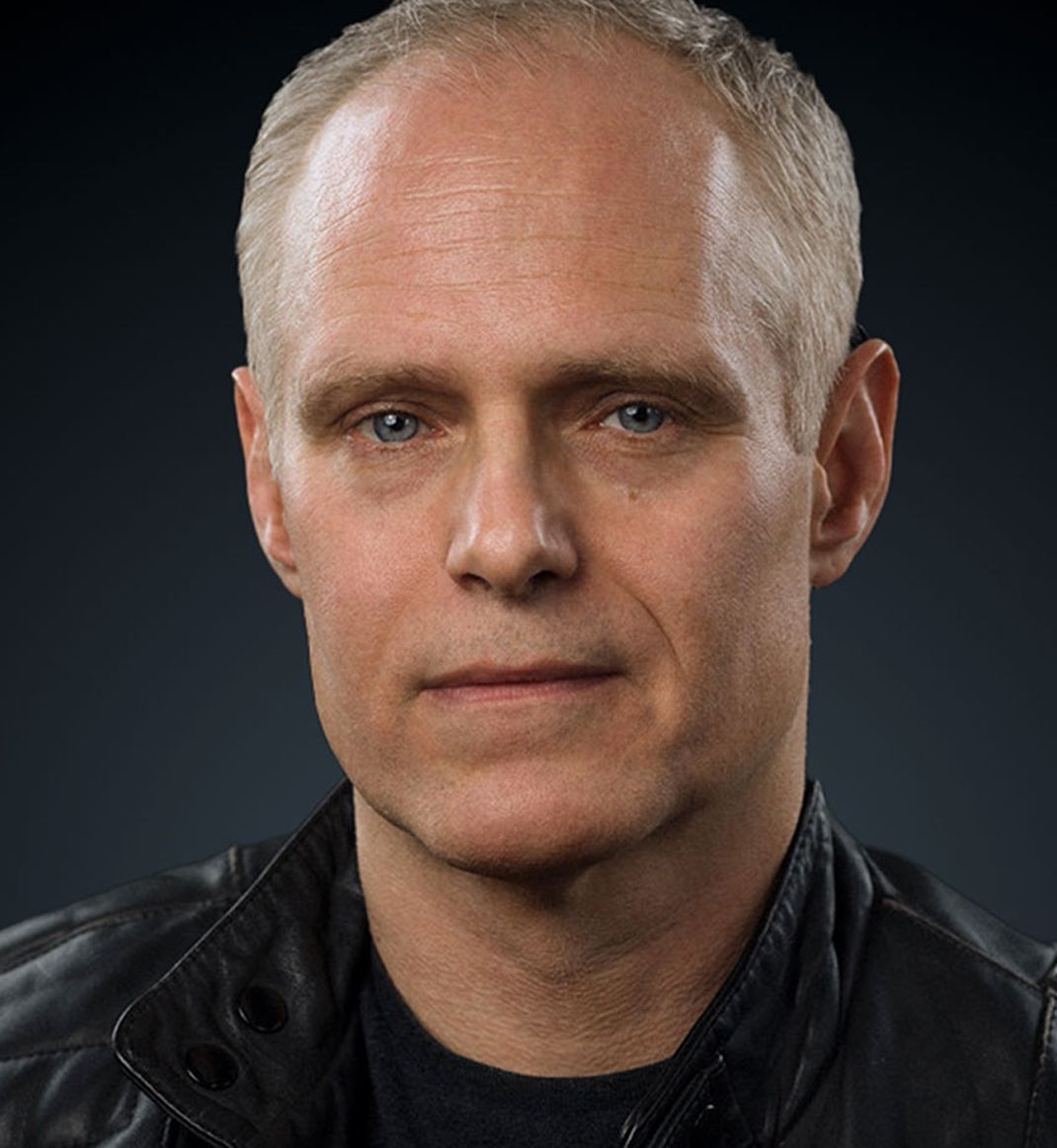
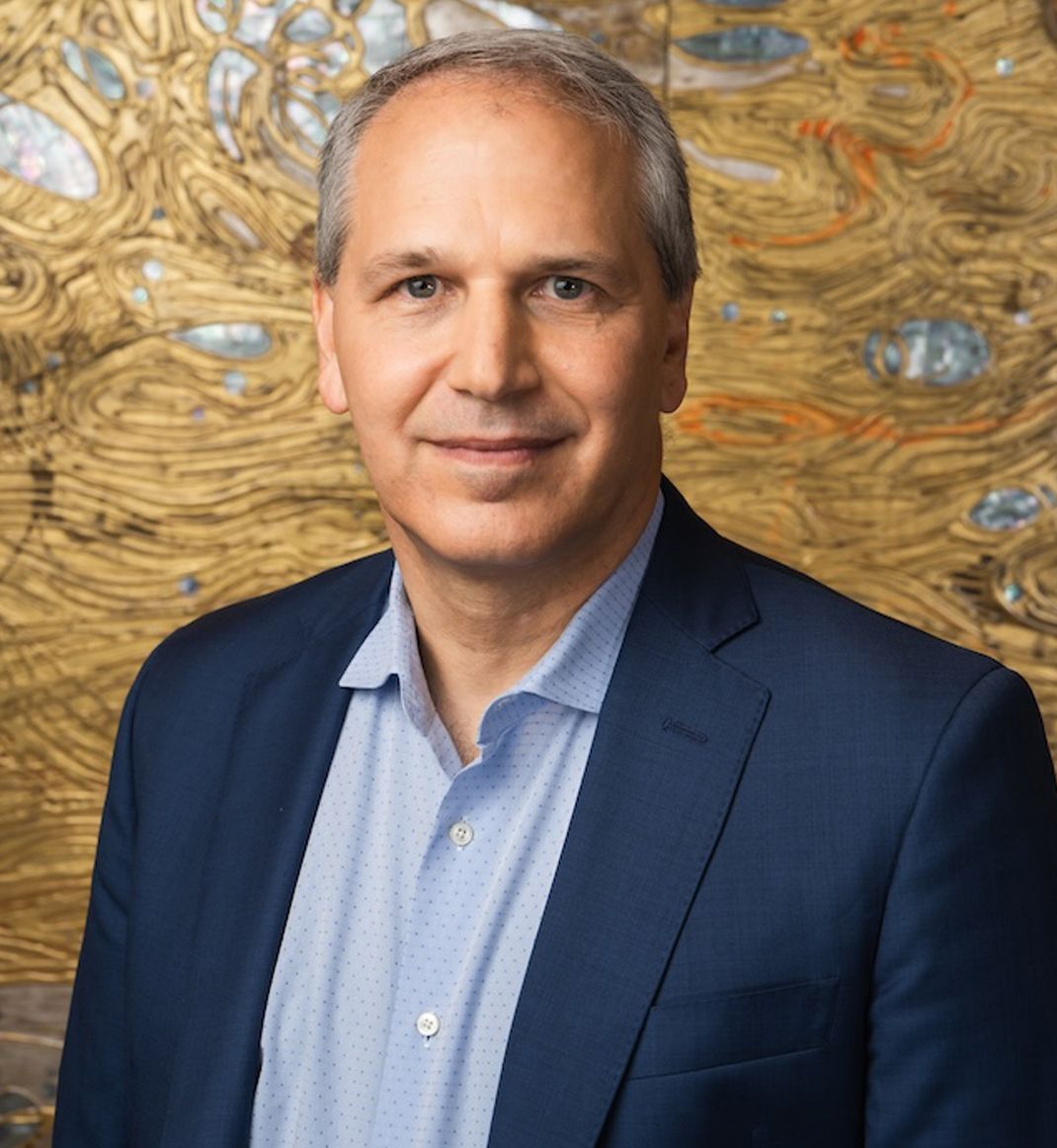
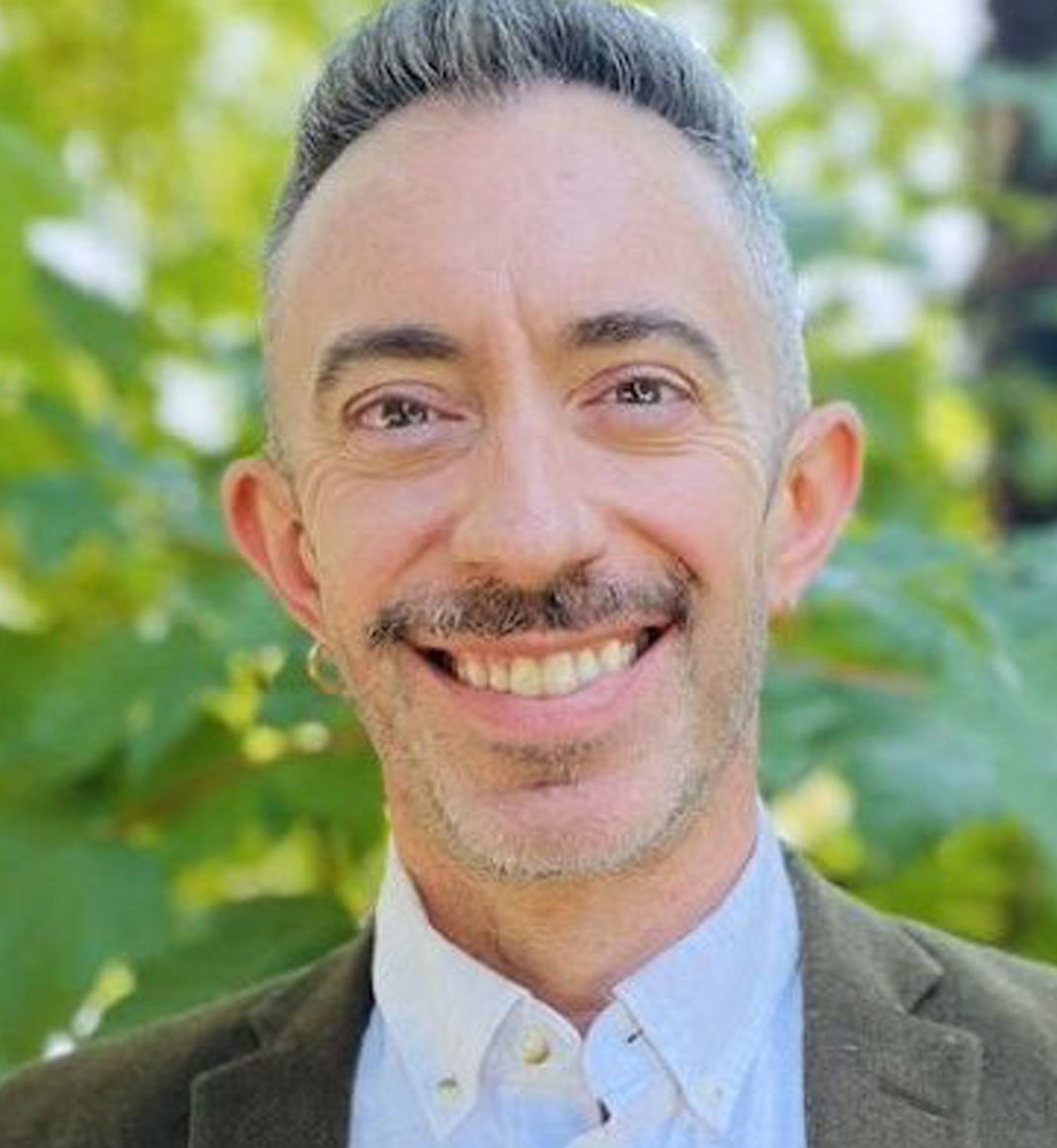

Matthew Asbell, Partner, Lippes Mathias: With extensive knowledge and background in information technology, entertainment, medicine, and a range of other fields, Mr. Asbell, a partner and member of Lippes Mathias’ intellectual property team, works comfortably and efficiently with clients in diverse industries. Matthew’s passion for his work in intellectual property arises from a deep appreciation for creativity, whether in the form of invention, design, expression, or branding and marketing. He assists clients in clearing, obtaining, enforcing, and defending trademark, patent, design and copyrights in the United States and throughout the world, while also advising on domain names, social media and related issues. Matthew serves as an adjunct professor of law and frequent guest lecturer at Fordham University and The Benjamin N. Cardozo School of Law (Yeshiva University), and has taught at Columbia University and the Instituto Superior de Derecho y Economia (ISDE) in Madrid, Spain. He regularly mentors new lawyers and law students. Matthew is the host of INTANGIFY, a weekly podcast on the intangible aspects of business. He co-chairs the intellectual property alumni practice group of Cardozo Law, and runs the Steadfast group, an international network of intellectual property practitioners. He also chairs and serves as an active member in bar association committees in the American Bar Association Section of Intellectual Property Law and the International Trademark Association. Matthew frequently appears in the media to discuss significant cases and topics relevant to his area of practice and regularly authors articles for journals and publications.”
Lauren Fried, Partner, Loeb & Loeb, LLP: Lauren Fried is an experienced litigator representing high-profile clients in the entertainment, technology, and media sectors. Her practice includes representing production companies, studios, satellite and network broadcasters and high profile celebrities and athletes in a range of matters including business disputes, copyright and intellectual property litigation, right of publicity, false advertising, and unfair competition. Lauren has extensive hands-on experience researching and writing dispositive and other substantive motions in state and federal courts, and she works closely with clients to develop and manage case strategies. She advises clients on their most sensitive business matters. Lauren has tried multiple cases in both state and federal courts and has represented clients in commercial arbitration. Outside of her entertainment practice, Lauren has experience with eminent domain litigation. Prior to her private practice, Lauren served as associate counsel for Zebra Technologies Corporation and has conducted mediations in Illinois courts for the Center for Conflict Resolution. Lauren is an adjunct professor at Northwestern University’s Pritzker School of Law teaching sports law and business.
Paul Sweeting is the founder and principal of Concurrent Media Strategies, a Washington, DC-based consulting and editorial services company specializing in the intersection of media, technology and public policy. He is also co-founder and director of the RightsTech Project, an inter-industry community focused on technology innovation in the management and monetization of copyrights. He is also a principal contributor to TechReg, a newsletter focused on technology regulation published by Competition Policy International, an economic consulting firm. Previously, Sweeting was a reporter and editor at leading media & entertainment-focused publications, including Billboard, Variety, Publishers Weekly and Video Business.
Erik Passoja leads initiatives in AI ethics and digital identity protection, currently developing "A Human-Centric Blueprint for Safe AI Ethics." As SAG-AFTRA co-chair for the Los Angeles New Technology Committee, he champions performers' rights in the AI era, drawing from his extensive acting career and firsthand experience with unauthorized digital likeness use in gaming. His ongoing technical work includes developing granular provenance data, consent matrices, and cooperative systems for digital identity protection. Also a member of the SAG-AFTRA LA Government Affairs and Public Policy committee, he advocates for legislation like the NO FAKES and COPIED Acts, has authored eight bills (5 Federal, 2 California, 1 Tennessee), and is creating technological solutions to ensure informed consent and fair compensation across entertainment, and to preventing deepfakes globally."
Andrew Gilden is a Professor of Law at Southwestern Law School. Professor Gilden teaches in the areas of property, intellectual property, and trusts & estates. His research focuses on the evolving interplay between law, emerging technologies, and popular culture, with a particular interest in how intellectual property and technology law intersect with sexual identities, outsider cultures, creative communities, and nontraditional families. His scholarship has appeared in a wide range of highly respected publications, including Georgetown Law Journal, Washington University Law Review, Harvard Journal of Law & Technology, Yale Journal of Law & Technology, Boston College Law Review, and William & Mary Law Review.”
