Digital Hollywood: The AI & Entertainment Summit
Tuesday, July 21st, 2026
2– 2:50 PM Eastern Time Zone
Session II: A Virtual Event
Super Creativity at the University: Film Departments + AI Labs = The Future
For decades film schools taught story and image while computer science labs taught code and data. In 2026 those walls are coming down — and what's emerging on the other side is genuinely exciting. This session brings together university film and television program leaders alongside their AI research counterparts to explore how collaboration between disciplines is reshaping creative education. How is narrative craft being fused with reasoning models? How are joint labs training directors on prompt engineering while training LLMs on cinematic datasets? The cross-disciplinary curriculum is still being written and not every experiment is succeeding — but the graduates emerging from these programs speak both story and code fluently. This session examines what's working, what isn't and why the university may become the most important creative laboratory of the next decade.
Speakers:
Charlie Fink, AIXR Podcast Host, Producer, Adjunct, Author, Moderator
MaryAnn Talavera, Assistant Director, Martin Scorsese Virtual Production Center, NYU Tisch School of the Arts
Timothy Carvalho, Creative Director, A.I. Researcher & Assistant Professor of Design, University of Texas at Arlington
Dan Novy, Assistant Professor of Emerging Media Arts, Johnny Carson Center, University of Nebraska-Lincoln
Ricardo “Ricky” Figueroa, Professor and Director, School of Film and Animation, Rochester Institute of Technology, RIT
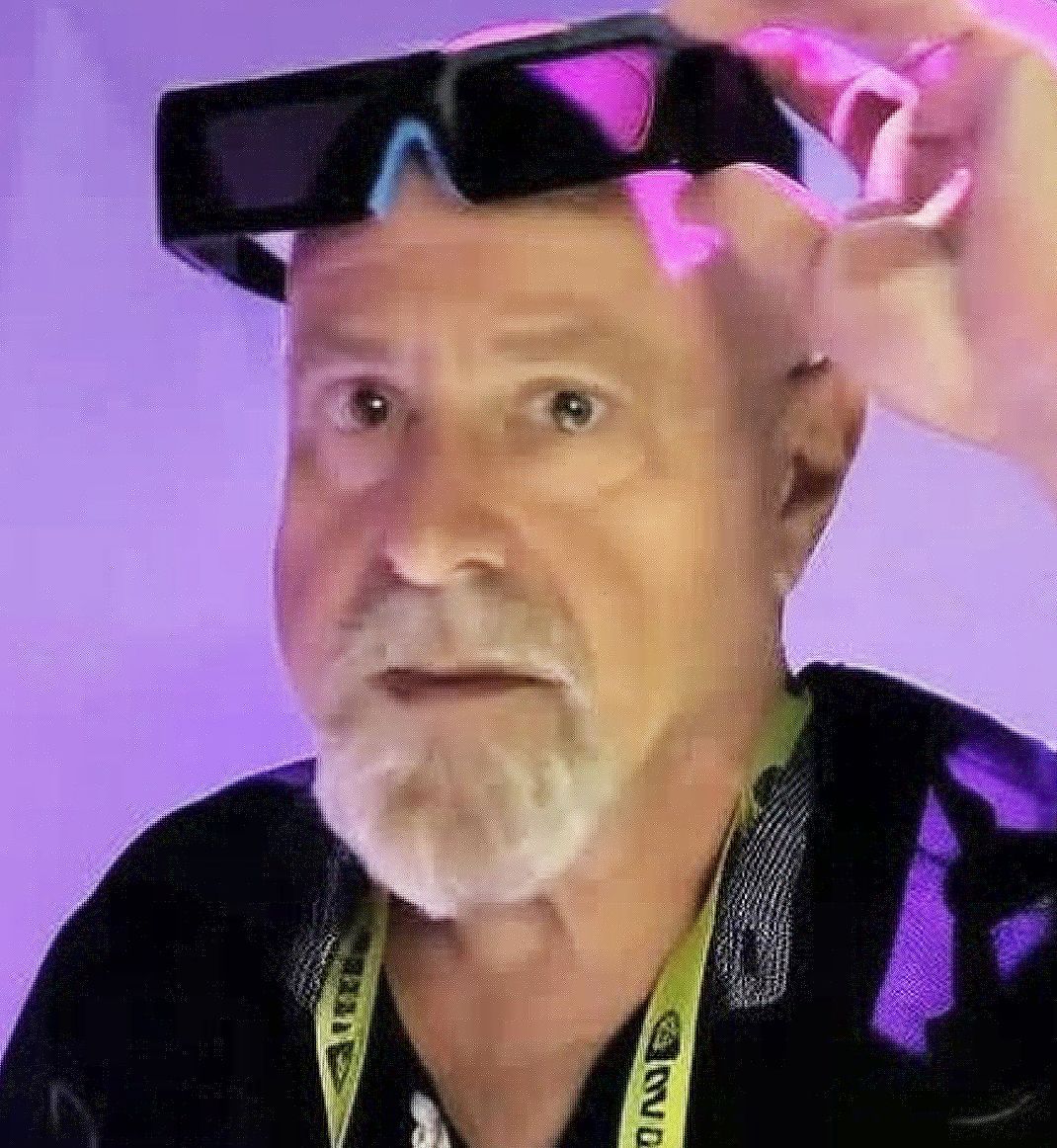
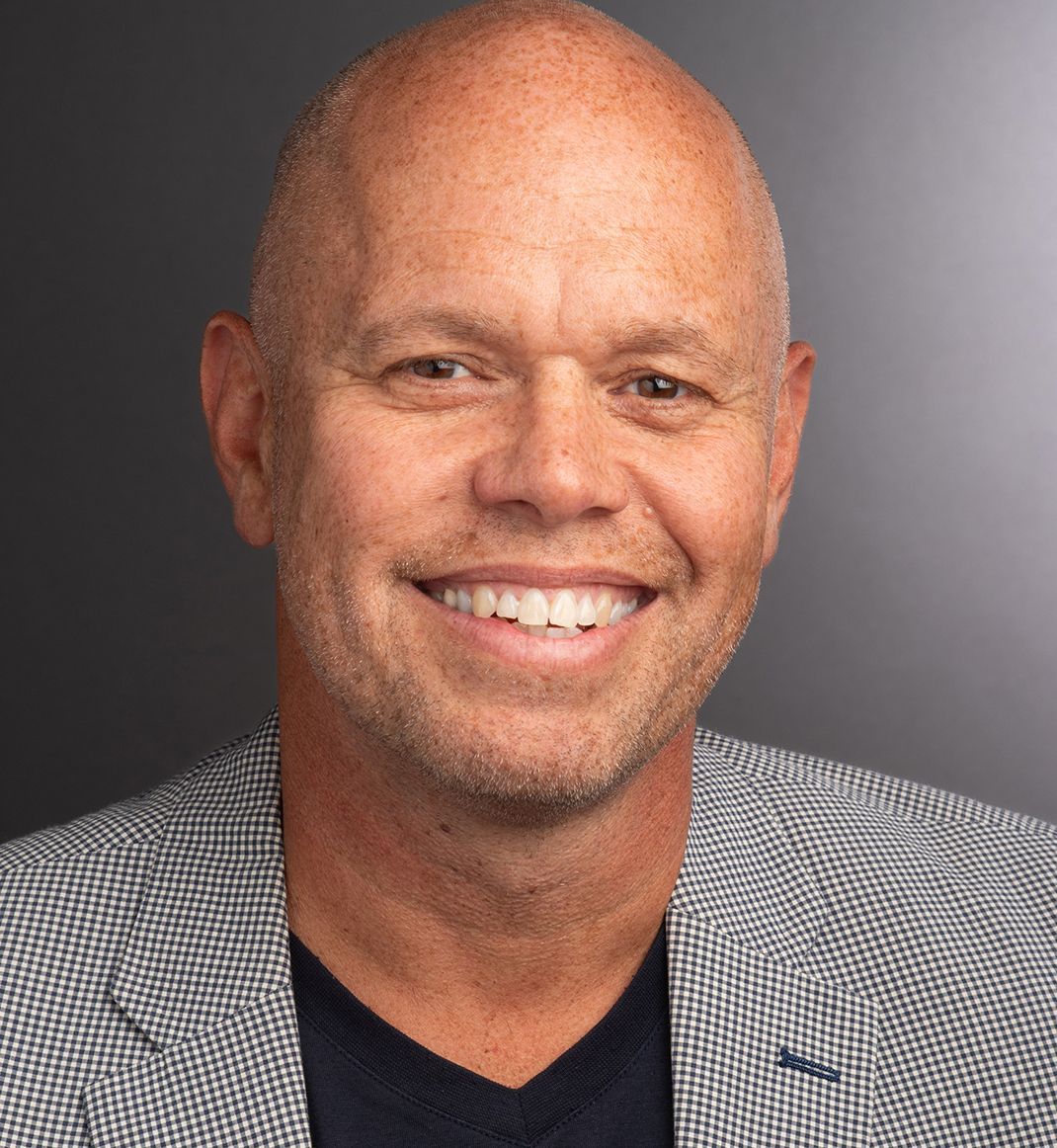
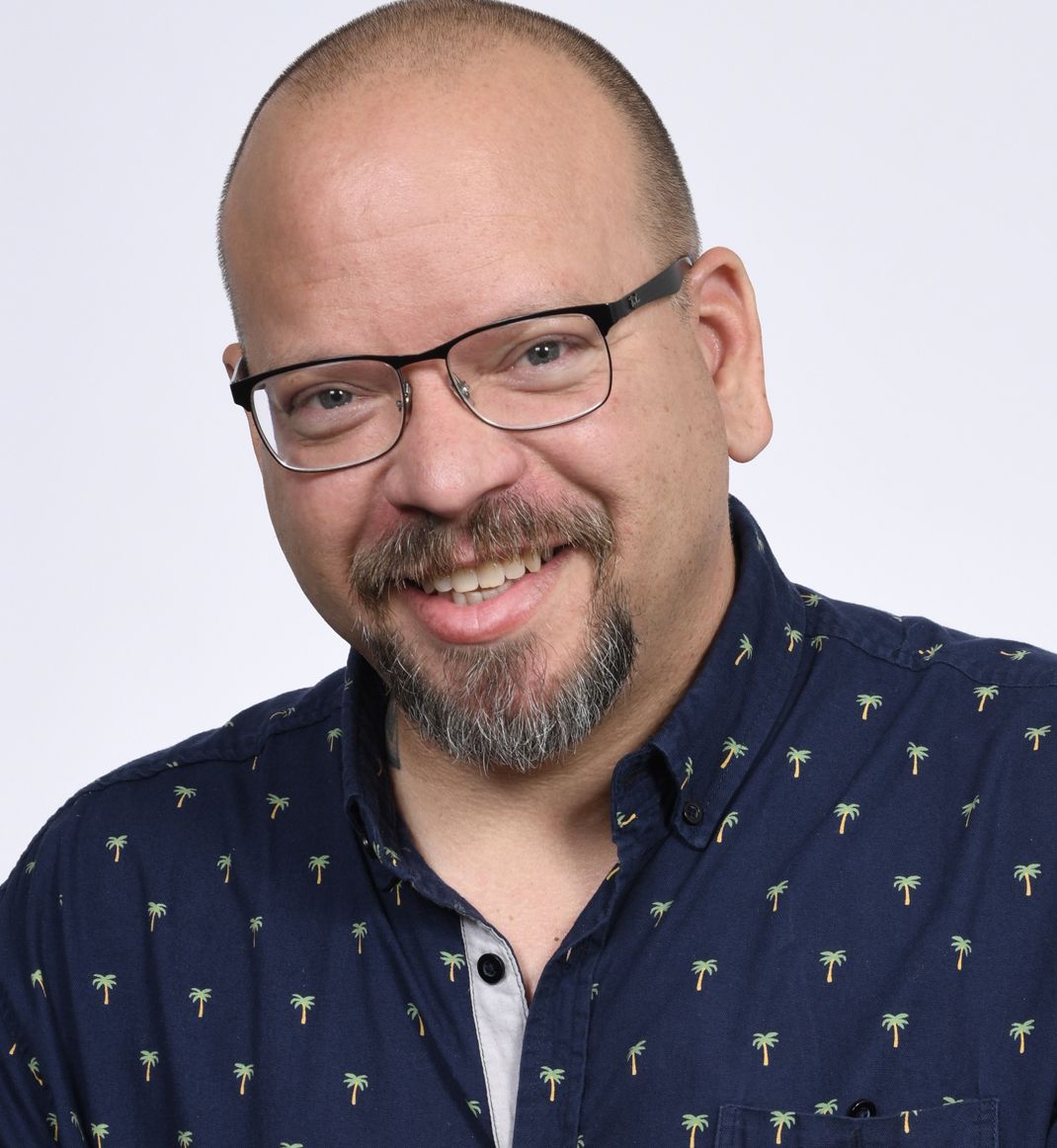
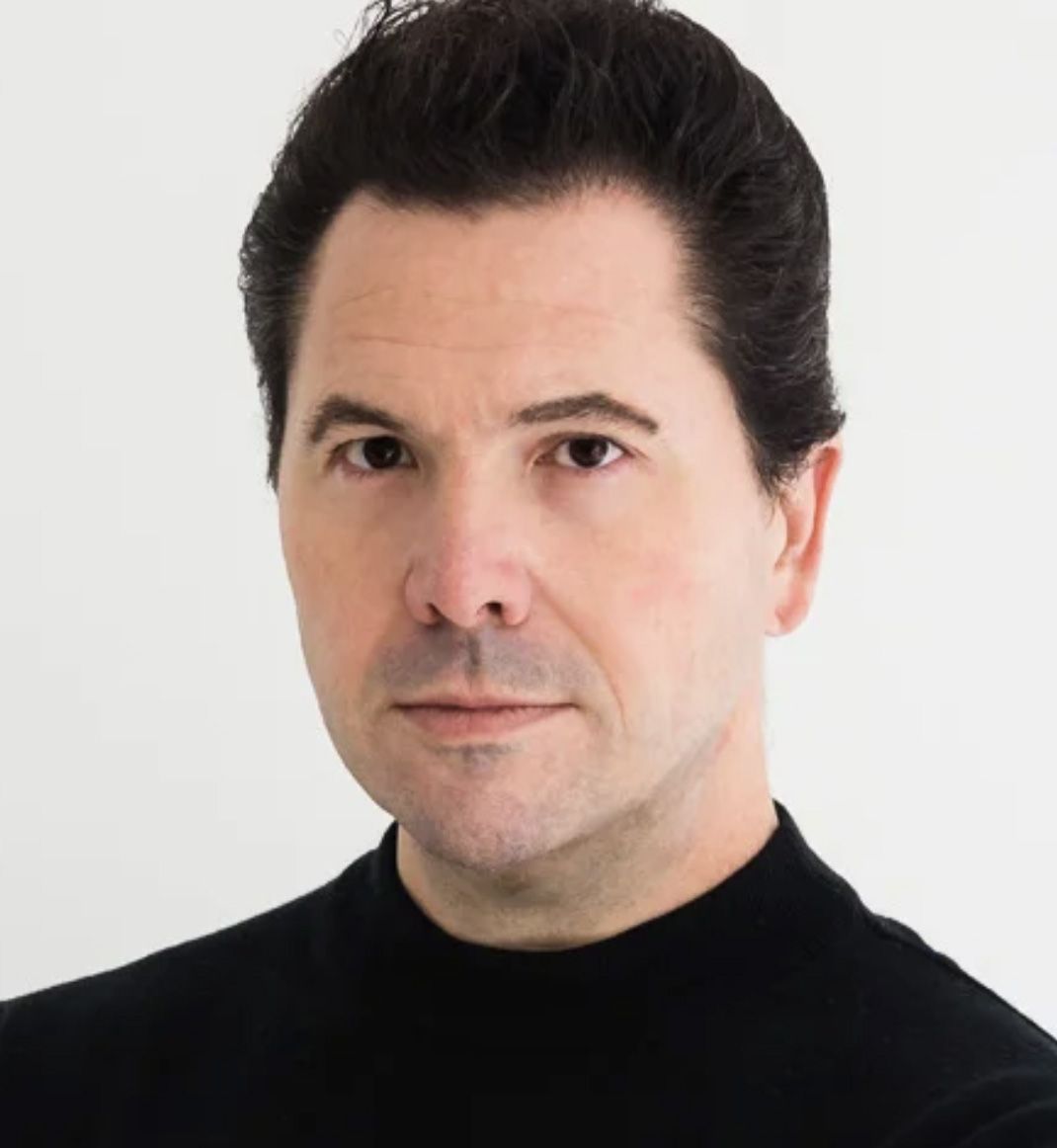
Ricardo “Ricky” Figueroa brings exactly the kind of hybrid expertise this Digital Hollywood session is designed to spotlight. With a BS and MS in Electrical Engineering from the University of Puerto Rico at Mayaguez and a PhD in Computing and Information Sciences from Rochester Institute of Technology, Figueroa sits at the intersection of engineering, computing, cinematic technology, and creative education. His background reflects the central premise of this conversation: the future of film and media education will be shaped by leaders who understand both story and systems. At RIT’s College of Art and Design, Figueroa has played a major role in advancing the connection between film, animation, motion picture science, and emerging creative technologies. In 2025, he was named the inaugural John Traver Endowed Professor, an honor created to support faculty helping prepare the next generation of creative technologists. That same year, he became Director of RIT’s School of Film and Animation, positioning him as a strong voice on how universities can become laboratories for the next era of AI-powered storytelling, production, and interdisciplinary creative learning.
Dan Novy (also known as NovySan) is an Assistant Professor of Emerging Media Arts at the University of Nebraska-Lincoln, where he teaches the Carson Center for Emerging Media Arts course “StoryLab,” and a Research Affiliate at the MIT Media Lab, where he co-originated the "Science Fiction-Inspired Prototyping" and "Indistinguishable from Magic" classes. His work focuses on decreasing the alienation fostered by traditional passive media consumption; increasing social interaction through transparent, interconnected and fluid media; and creating enriched, active, and inspired immediate experiences. He is a former visiting scientist at Magic Leap, and an Emmy- and Visual Effects Society Award-winning VFX technical supervisor, transmedia experience designer, and artist who formerly chaired the Visual Effects Society's Technology Committee. Dan's career path started in an unexpected place—the theater department at the University of Illinois, where he discovered 3D animation and modeling and virtual reality applications on his way to earning a BFA in Theatre, with a concentration in Acting and Directing, and an MA in Theatre History, with a double emphasis in the technical history of the theatre and shamanic ritual performance in pre-agrarian societies. (Ask him about Wet Money in the Restoration theatre, but don’t get him started on the rise of agriculture.) After graduation, he parlayed his independent studies with Video Toaster and the earliest incarnations of Lightwave into a career in visual effects. Driven by curiosity as much as necessity, and spurred on by the frontier atmosphere of the early digital effects industry, he gained unique experience in the creation and supervision of 3D animation and modeling, 2D compositing and match-moving, fluid simulation, and physical fabrication of practical effects. Eschewing specialization, he also developed expertise in system and network administration, clustered storage solutions, database frontend development, project management, and pipeline and workflow management and development. In addition to his continuing work in visual effects, he also branched out into the production of transmedia and IMmedia, in an effort to break through the limits of the mediated experience. This quest brought him to the MIT Media Lab, where he built a range of next-generation displays for his master's thesis, and demonstrated a successful prototype of Programmable Synthetic Hallucinations for his PhD, utilizing the bio-physiological mechanics of hallucination generated in the human brain to display virtual information directly in the visual field.
Timothy Carvalho is an award-winning Creative Director, AI researcher, and Assistant Professor of Design in the Visual Communication Design Area at the University of Texas at Arlington. With more than 25 years of experience spanning agency leadership, branding, advertising, and creative technology, his professional background includes work with Disney, Google, national agencies, and major brand campaigns across entertainment, hospitality, tourism, and consumer markets. His creative work and research have been featured through international exhibitions, major publications, and leading industry awards. His current research explores the impact of artificial intelligence and emerging technologies on creative practice, design education, and visual communication. Carvalho is the author of Creative Directing Intelligence (CDI) and the AAA Methodology (Amplify, Augment, Accelerate), a research-based, human-centered framework for AI-directed creative practice that preserves human authorship, emphasizes conceptual thinking, leverages individual insight, judgment, and taste, while prioritizing the uniquely human qualities that drive meaningful creative work. Carvalho speaks and presents on the evolving relationship between AI, creativity, advertising, and design education, including recent presentations and workshops with universities, creative programs, and industry audiences such as VCU Brandcenter, Sam Houston State University, and others. His work emphasizes originality, human perspective, cultural nuance, and creative leadership in an era of increasingly automated creative production.
Charlie Fink writes a weekly technology column for Forbes covering AI and XR, and co-hosts The AI/XR Podcast. He is the author of the critically acclaimed AR-enabled books Charlie Fink’s Metaverse (2017) and Convergence: How the World Will Be Painted With Data (2019). Fink teaches emerging media at Chapman University in Orange, CA, and at Arizona State University’s graduate program in Narrative and Emerging Media in Los Angeles. In 2024, he co-founded Cinemation AI with film director Rob Minkoff. Fink's forty-year career at the intersection of storytelling and technology began at Walt Disney Feature Animation, where he famously conceived the idea for The Lion King and subsequently became the studio’s youngest creative vice president. Fink's work in immersive media began in 1992 as COO of Virtual World Entertainment, a groundbreaking location-based VR company founded by Tim Disney. In 1995, he was recruited by AOL to serve as Senior Vice President and Chief Creative Officer of AOL Studios. After selling his subsequent venture-backed startup, eAgents, to American Greetings Interactive for whom Fink served as President and Chief Creative Officer (2000–2004), acquiring its two biggest competitors, Blue Mountain and eGreetings. Fink spent a decade as Producer and Chairman of the New York Musical Festival, which nurtured Broadway hits "Title of Show," "Next to Normal," and "Guttenberg!"
