Tuesday, September 20
2:15 PM - 3:30 PM
Track I:
DRM Interoperability Challenge - Consumer Satisfaction - Consumer Confusion
Development of DRM technology is just the first step to establish a viable environment for networked content. From a consumer standpoint, confusion and frustration are the consequences of a world in which DRMs are silos and non-interoperable. Consumers cannot be forced to make a technology decision when buying content, making DRM interoperability the coming challenge. The challenge extends beyond a mere technical problem. Even with technical interoperability, consumers will get confused if content from different system operators acts differently in the same home network. The failure of a consistent user experience will force the end user to scream "Uncle". In short, interoperability is a multi-faceted problem and the new challenge facing networked media.
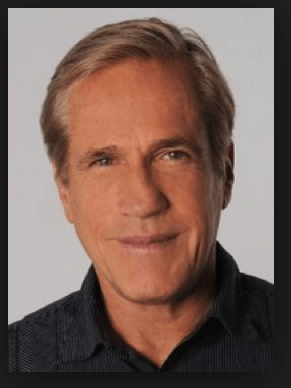


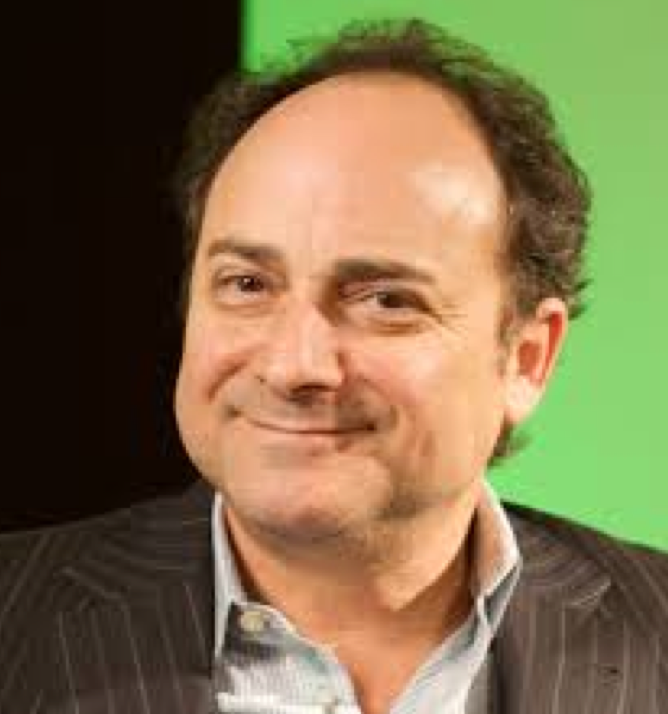
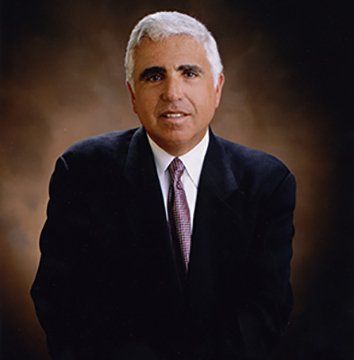
Talal G. Shamoon, Chief Executive Officer, Intertrust
Alan Bell, Senior Vice President, Technical Operations, Warner Bros.
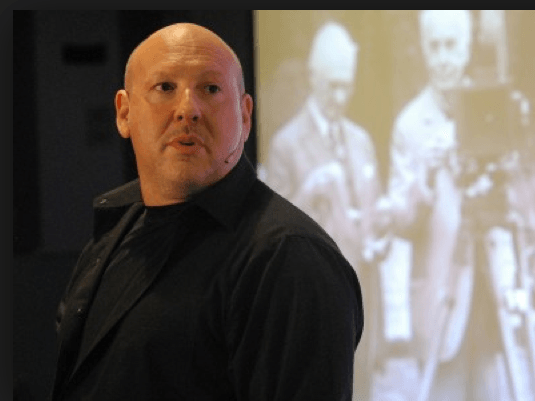
Scott Smyers, Vice President, Network and Systems Architecture Division, Platform Technology Center of America, Sony Electronics
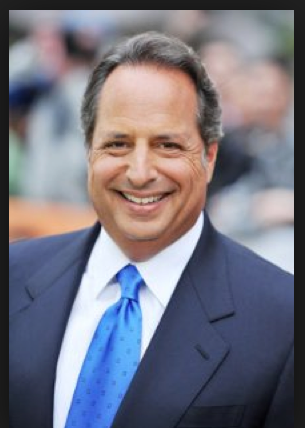
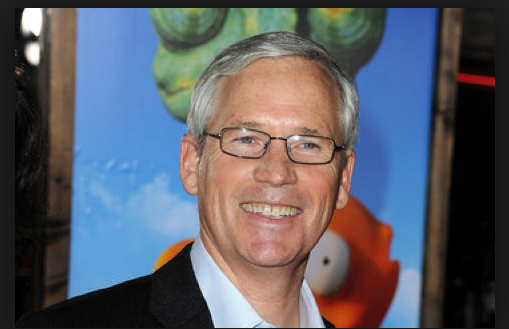
Donald M. Whiteside, Vice President, Corporate Technology Group, Director, Technology Policy and Standards, INTEL CORPORATION
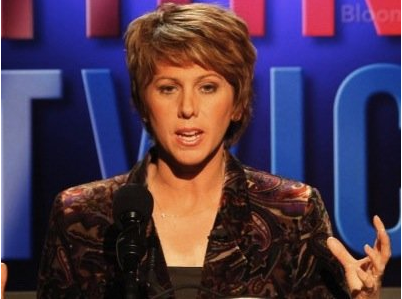
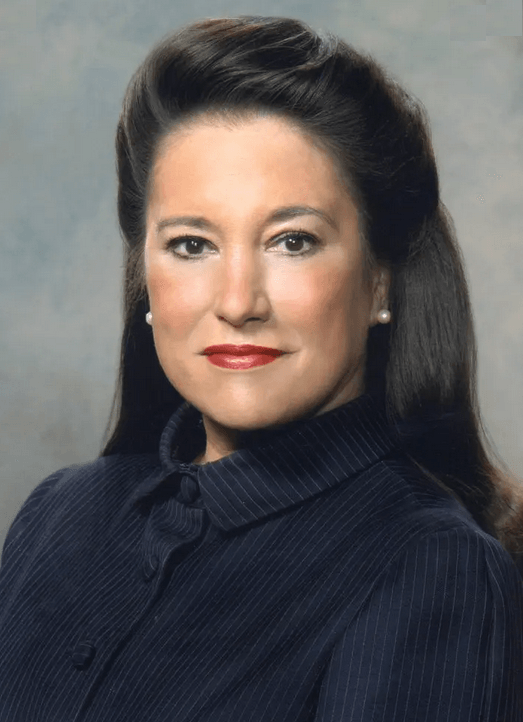
Martha Nalebuff, Director of Policy and Strategy, Windows Client Strategic Relations and Policy Division, Microsoft Corp
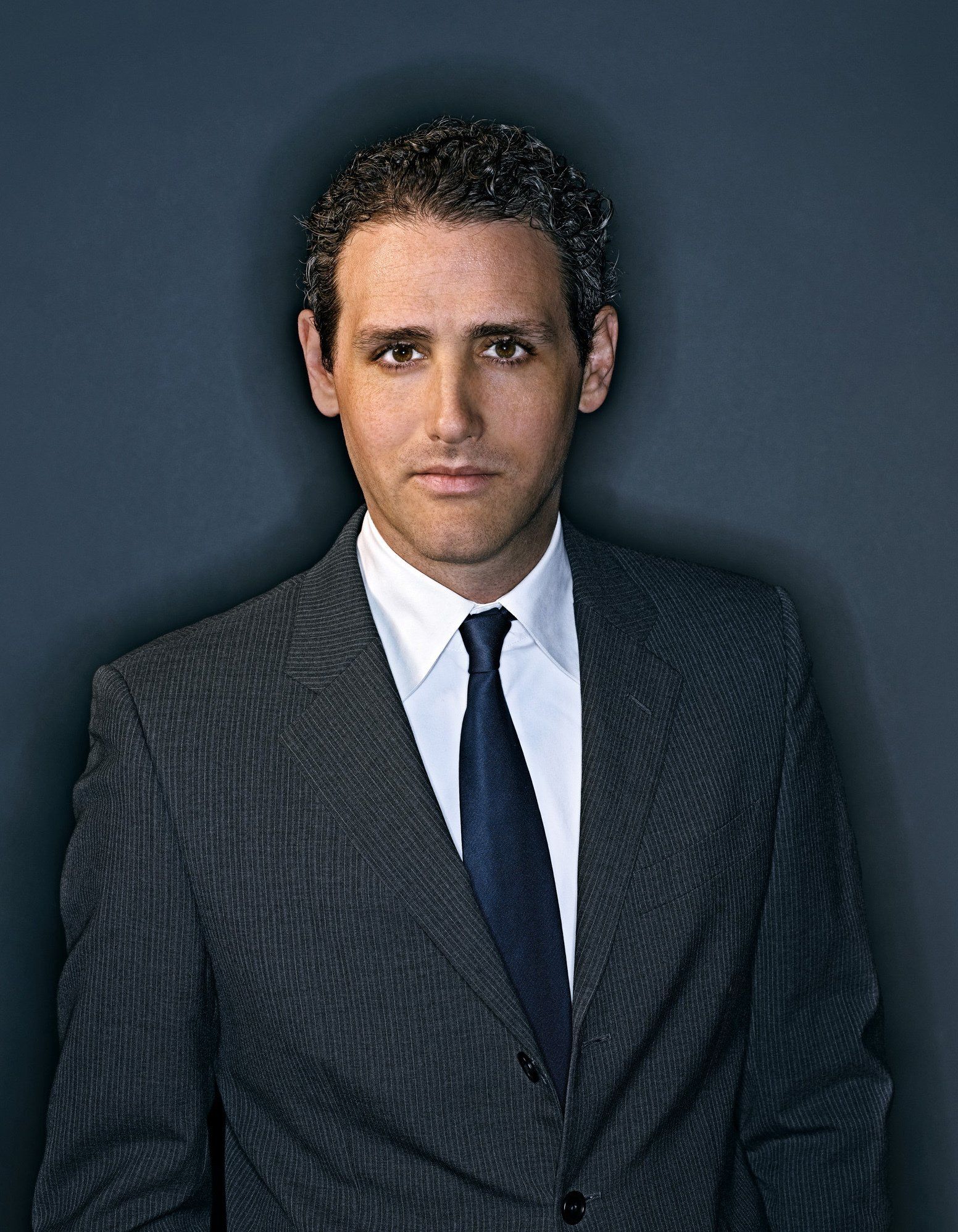
Brian Lakamp, Senior Vice President, Technology, Sony Pictures’ Digital Policy Group, Moderator

Martha Nalebuff, Director of Policy and Strategy, Windows Client Strategic Relations and Policy Group, Microsoft Corporation: As Director of Policy and Strategy in Microsoft’s Windows Client Strategic Relations and Policy Group, Martha Nalebuff leads a team focused on the development of rights expression language, and standards and policies for intellectual property protection… She has served in several business and technical management roles at Microsoft, including managing strategic partner relationships for the eBook team, and running the Windows Hardware Quality Labs…. Prior to Microsoft, was Vice President of a software and consulting firm, where she established and ran a leading POSIX compliance testing lab… Held positions at IBM and Hewlett-Packard, where she worked in speech recognition technology, and was active in the Unix standards community… Holds a bachelor’s degree in mathematics from Northeastern University… Board member of the MPEG-21 Committee, the Content Reference Forum, and the International DOI Foundation… Featured speaker at industry events, including Seybold conferences, Broadcast Asia, Gilbane Conferences and the Silicon Valley Speaker Series.

Donald M. Whiteside, Vice President, Corporate Technology Group, Director, Technology Policy and Standards, INTEL CORPORATION: Donald M. Whiteside is vice president of the Corporate Technology Group and director of Technical Policy and Standards for Intel Corporation. Whiteside is responsible for coordinating Intel's efforts in development and management of technical policy and standards in support of Intel's global technology leadership objectives. The TPS organization influences global technical policy through facilitating Intel participation in global standards setting processes, industry alliances, public policy organizations, and legislative & regulatory agencies. Prior to Whiteside's appointment as director, Technical Policy & Standards, he was director, Strategic Programs Office where he coordinated Intel's efforts in accelerating broadband and rich content deployment. Whiteside received a bachelor's degree in Mathematics & Computer Science from Tulane University in 1981.

Talal G. Shamoon, Chief Executive Officer. Intertrust: Talal Shamoon joined Intertrust in 1997 and has been CEO since January 2003. He previously served as Executive Vice President for business development at Intertrust and was responsible for technology and business initiatives for the entertainment and media sectors. Prior to that, Shamoon was a research scientist, specializing in content protection and management technologies. Before joining Intertrust, he worked as research scientist at NEC Research in Princeton where he was one of the pioneers of spread spectrum media watermarking. Shamoon holds a B.S., M.Eng., and Ph.D. in electrical engineering from Cornell University.


Brian Lakamp is the Senior Vice President of Technology for Sony Pictures’ Digital Policy Group. SPE’s Digital Policy Group was formed to coordinate digital policy across all Sony Pictures' businesses. Brian focuses on copy protection issues, but he also investigates emerging and disruptive technologies such as watermark fingerprinting and digital rights management. Brian also works on developing new business models around home networking to keep Sony Pictures ahead of the technological curve. Brian represents SPE in forums such as the Motion Pictures Association and the Copy Protection Technical Working Group. Brian also represents SPE in standards activities such as Digital Transmission Copy Protection (5C) and Advanced Access Content System (AACS).


Scott Smyers, Vice President, Network & Systems Architecture Division, Sony Electronics Inc.: Scott Smyers joined Sony Electronics in 1994, and is now Vice President of the Network and Systems Architecture Division of the Platform Technology Center of America. Almost 20 years ago, Scott made the jump from academic research to industry, where he has since been very active in the areas of standardization, technology research and product development. Scott’s particular area of focus is system architecture, system I/O and interfaces. In the 1990's, he performed pioneering work in the area of IEEE 1394 and standards related to digital transmission (IEC61883). Through his leadership as chairman of the 1394 Trade Association's AV Working Group over the course of seven years, Scott has served a pivotal role in bringing about a suite of standards that define consumer device discovery and control. He also founded and chaired the Digital Transmission Discussion Group which resulted in the so-called "5C" a.k.a "DTCP" copy protection system. Scott has served as CTO and member of the Board of Directors of the 1394 Trade Association, and on the UPnP Steering Committee. He now serves as the chairman of the Board of Directors of the Digital Living Network Alliance (DLNA) and President of the DLNA Corporation, as well as the Chairman of the CE Linux Forum Steering Committee. Scott holds a BA in Physics and Philosophy from Cornell University, class of 1981.

Alan Bell, Senior Vice President, Technical Operations, Warner Bros.: As Senior Vice President, Warner Bros. Technical Operations Alan is responsible for advanced technology and requirements development across a broad range of areas centered on the preparation, distribution and consumption of digital motion picture content and related derivatives. Dr. Bell’s current areas of interest include the development of next generation HD DVD standards, digital home entertainment networks, including the technologies and issues associated with digital content rights management and copy protection. In 1995, Alan was centrally involved in the unification of the DVD format, and shortly thereafter the developments that resulted in the CSS scrambling methods for DVD. For the last eight years he has focused on the technical development and cross-industry issues involved in the development of comprehensive rights management architecture, and he has co-Chaired the Copy Protection Technical Working Group since its inception. Prior to joining Warner Bros., Alan held management and technical positions at IBM Research and RCA Sarnoff Labs. In recognition of his contributions to the introduction of DVD and to the development optical storage technology in general, Dr. Bell was elected a Fellow of the IEEE in 2001 and a Fellow of the Optical Society of America in 1984. Alan received his doctoral and bachelor degrees in Physics from the Imperial College of Science and Technology, London University.